- Free Consultation: (714) 351-0178 Tap to Call







What Is a Fitness Hearing (WIC 707), and Can It Send My Teen to Adult Court?


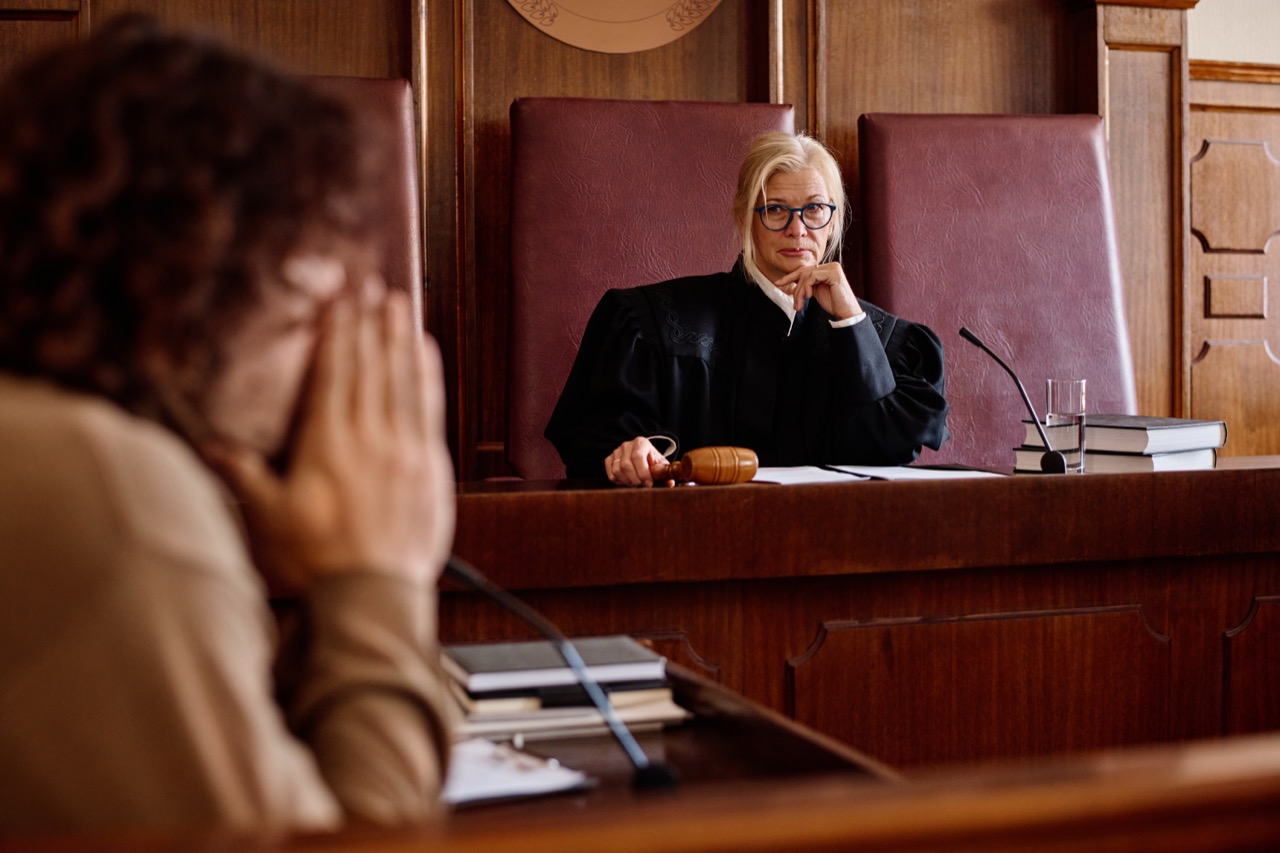
A fitness hearing under Welfare and Institutions Code Section 707 is a court proceeding where a judge decides whether a minor should be transferred from juvenile court to adult criminal court. The prosecution can request a transfer for minors aged 16 or 17 accused of a felony, or for minors aged 14 or 15 accused of certain serious offenses listed under WIC 707(b). The prosecution must prove by clear and convincing evidence that the minor cannot be rehabilitated in the juvenile system.
The Law Office of Katie Walsh defends minors facing transfer motions in Orange County, where an Orange County juvenile defense lawyer can challenge the prosecution’s case under the same juvenile felony sentencing framework that governs the most serious juvenile offenses.
What Triggers a Fitness Hearing Under WIC 707?
The district attorney files a motion requesting the transfer. This motion is typically reserved for the most serious offenses, including murder, attempted murder, robbery with a firearm, carjacking, kidnapping, and certain sex offenses. Under Proposition 57 (2016), only a judge can approve the transfer after a full hearing. Prosecutors can no longer directly file charges against juveniles in adult court.
The hearing is not automatic. The prosecution must demonstrate that the juvenile criminal defense system cannot adequately address the case before the court’s jurisdiction expires. In Orange County, transfer hearings at the Lamoreaux Justice Center can take several weeks to schedule and prepare, making early attorney involvement critical. According to the California Courts system, only a small number of juvenile cases statewide result in transfer each year.
What Does the Judge Consider at a Transfer Hearing?
The judge evaluates five criteria: the degree of criminal sophistication shown by the minor, whether the minor can be rehabilitated before juvenile court jurisdiction expires, the minor’s prior delinquent history, the success of previous rehabilitation attempts, and the circumstances and gravity of the offense. Each factor is weighed individually, and the court must explain its reasoning on the record.
Under SB 545 (effective 2024), the court must also consider whether the minor was trafficked, sexually abused, or sexually battered by the alleged victim prior to or during the commission of the offense. If such evidence exists, the case must remain in juvenile court unless the prosecution proves otherwise by clear and convincing evidence.
How Can a Defense Lawyer Fight a Transfer to Adult Court?
The defense presents evidence showing the minor is amenable to rehabilitation. This may include psychological evaluations, educational records, evidence of trauma or mental health conditions, and testimony from treatment providers. The defense attorney challenges the prosecution’s characterization of criminal sophistication and argues that the juvenile system’s extended jurisdiction (up to age 23 or 25 depending on the offense) provides sufficient time for rehabilitation. In Orange County, defense attorneys frequently present detailed rehabilitation plans showing how the minor can benefit from local programming through the Probation Department.
An Orange County Juvenile Defense Lawyer Can Challenge a WIC 707 Transfer Motion
A transfer to adult court means adult sentencing, a permanent criminal record, and the loss of juvenile protections including automatic record sealing. Our Orange County juvenile defense attorney fights transfer motions and work to keep your child in the juvenile system where rehabilitation is the priority. The Law Office of Katie Walsh is ready to help. Call (714) 351-0178 for a free consultation or contact us online.
Contact Us Now