- Free Consultation: (714) 351-0178 Tap to Call






Teen Prescription Drug Misuse: Criminal Charges and Treatment Alternatives in Orange County


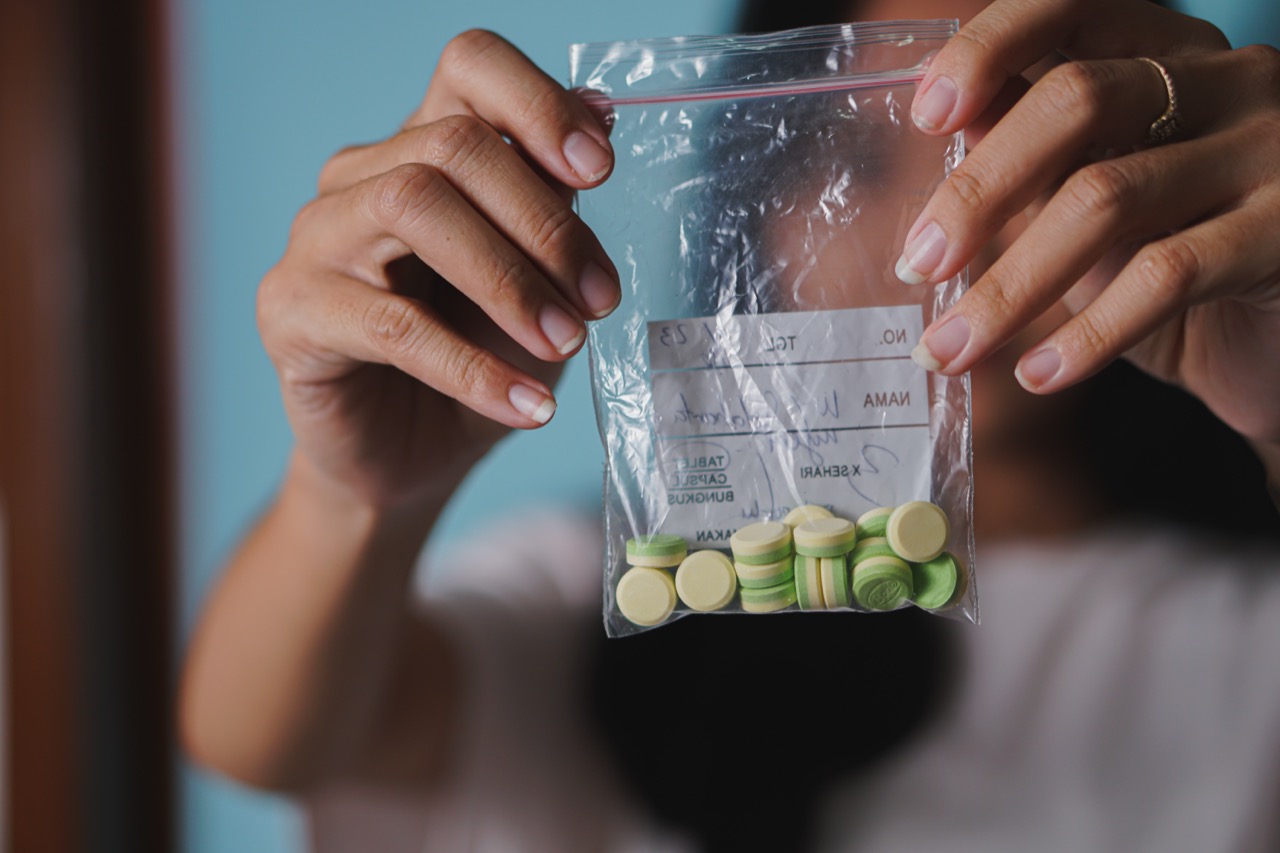
Finding prescription medications in your teenager’s possession that aren’t prescribed to them triggers both health concerns and potential criminal charges. At the Law Office of Katie Walsh, our Orange County juvenile defense lawyer understands prescription drug cases from both sides, she prosecuted drug offenses during her 9 years at the Orange County District Attorney’s Office and now defends teenagers at Lamoreaux Justice Center. We help families explore treatment-focused alternatives that prioritize rehabilitation over punishment.
What Constitutes Prescription Drug Misuse Under California Law
Under California Health and Safety Code § 11350, it is illegal for a teen to possess controlled substances without a valid prescription. Common prescription drugs that teenagers misuse include:
- Opioid painkillers (Vicodin, OxyContin)
- Stimulants (Adderall, Ritalin)
- Sedatives (Xanax, Valium)
These are classified as Schedule II–IV controlled substances.
To secure a conviction, prosecutors must prove your teen knowingly possessed the substance and knew it was controlled. “Possession” can mean:
- Actual possession: pills in a pocket, backpack, or personal container
- Constructive possession: control over medications in a locker, vehicle, or shared space
Even sharing one pill with a friend can be considered illegal distribution under California law.
Criminal Charges Your Teen May Face in Orange County
The charges your teenager faces depend on the circumstances of the case and whether prosecutors believe there was intent to sell or simply personal use. Having prosecuted these cases, we know how district attorneys evaluate prescription drug charges.
Your teen could face charges including:
- Simple possession (HS § 11350): Misdemeanor possession without a prescription; may qualify for diversion
- Possession for sale (HS § 11351): Quantity or packaging suggests intent to distribute; felony-level consequences
- Furnishing controlled substances to minors (HS § 11380): Sharing or selling prescription drugs to other teens, treated very seriously
- Under the influence (HS § 11550): Being impaired by prescription medications in school or public
These charges create a juvenile record that can affect college applications, scholarships, and future employment opportunities. However, California law recognizes that substance misuse often reflects underlying issues requiring treatment rather than punishment.
Treatment-Focused Alternatives for Prescription Drug Cases in Orange County
California offers several diversion programs that prioritize rehabilitation over criminal adjudication. Welfare and Institutions Code Section 654 allows informal supervision where your teen completes counseling and community service without formal charges. Deferred Entry of Judgment (DEJ) under WIC 790 permits dismissal of charges after successful drug treatment program completion.
Orange County’s Juvenile Drug Court provides intensive supervision, regular drug testing, and comprehensive treatment services. Participants work with counselors, attend support groups, and receive educational assistance while remaining in the community. Successful completion results in case dismissal and sealed records.
Talk to an Orange County Juvenile Defense Lawyer About Treatment Options
If your teenager faces prescription drug charges, you need an Orange County juvenile defense lawyer who knows which treatment alternatives prosecutors will accept. Attorney Katie Walsh has evaluated these cases from the prosecution side and now uses that knowledge to secure treatment-focused resolutions. We work with Orange County treatment providers and know which programs satisfy court requirements. Call the Law Office of Katie Walsh at (714) 351-0178 or contact us online today.
Contact Us Now